Showing posts with label ALABAMA FORUM. Show all posts

ALABAMA FORUM

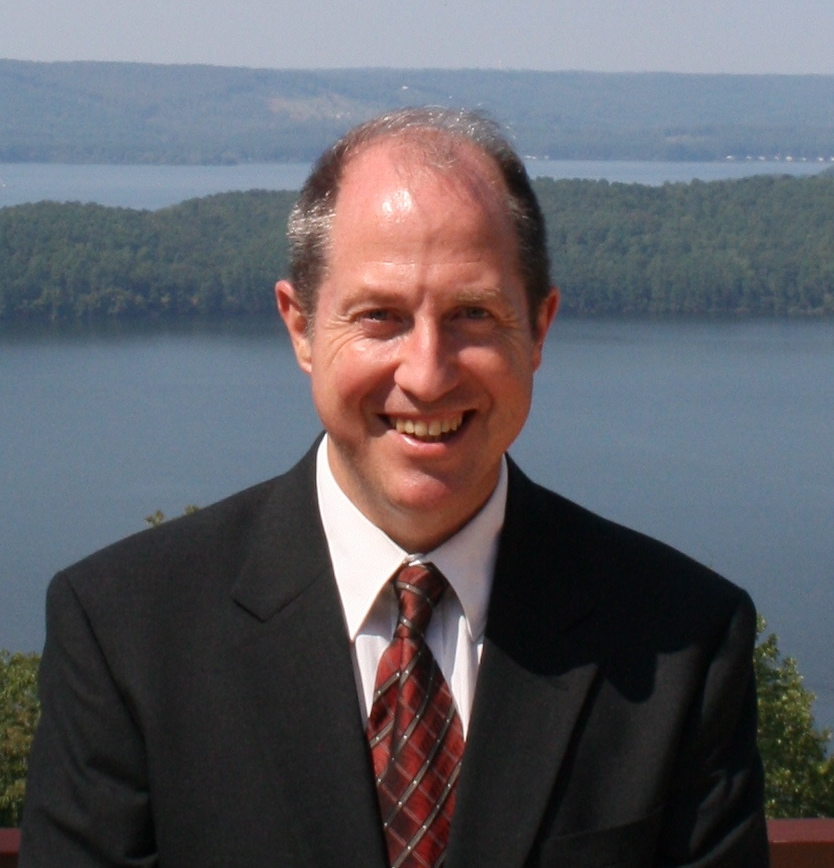
By Pat Byington

Several times I have been invited to the weekly meetings of the Rotary Club of Birmingham. Like any busy business club meeting, with a couple of hundred people in attendance, there is a chorus of knives, forks and spoons, clanging ever so slightly as members try to finish their meal when a speaker begins to speak. This past May, when Bill Finch, former director of Conservation at the Nature Conservancy and longtime nature writer spoke to Rotary it took only 30 seconds before the room fell completely silent.

He was speaking about the Oil Spill in the Gulf of Mexico.

Only a few weeks after the BP Deepwater Horizon disaster, Finch described the slow moving invasion that was taking place on Alabama’s and the Gulf Coast’s shores and its devastating impact on our people and the environment. When he finished his presentation, the audience was shell-shocked. I remember walking amongst the members of the club after the meeting – heads were shaking, and shoulders slightly lowered. The members were somber.


Click here to read the full article

ALABAMA FORUM

By Pat Byington

On the grounds of one of the world's largest cathedrals, St. John the Divine Episcopal Cathedral in New York City, is a simple piece of art: seven human-shaped arches, each representing a generation, lined up in a row.

Next to this graceful sculpture is a gray footstone topped by a plaque with this inscription: "In all our deliberations we must be mindful of the impact of our decisions on the seven generations to follow ours." -- from the Great Law of the Six Nations of the Iroquois

Most folks count a generation as 20 years, so the total would be 140 years, or two lifetimes. What a mission statement. When we confront difficult environmental issues, the Great Law of the Six Nations of the Iroquois offers us the best path. And if there were ever a state that should adopt such a law, it would be Alabama, because we have the most to lose.


Click Here for the Full Post

Wednesday, March 24, 2010

Alabama is in the Dark on Solar Future

ALABAMA FORUM

By Pat Byington

It was one of those see-it-to-believe-it moments. While visiting my sister-in-law on a typically gray day in Seattle, I noticed she had just replaced her roof, and on top of the house were several solar panels.

Solar panels in cloudy and rainy Seattle?

With a grin on her face, she took me down to her basement and showed me her electrical meter. And there it was...running backward.

She then explained, "At this moment, Seattle City Light, the local power company, is paying me. And, in fact, they want this." She then pulled out her monthly Seattle City Light newsletter. It had a story encouraging its customers to help them "build a power plant" by using less energy and turning to alternative sources so it would not have to build a new coal-powered plant.


ALABAMA FORUM

By Amy Hinton and Lamar Davis

On November 5 a shooting spree at the Fort Hood Soldier Processing Center in Killeen, Texas left 13 soldiers dead and another 29 wounded. Subsequently, the shocking revelation that the alleged perpetrator was an active duty Army psychiatrist seemed to defy belief.

The recent actions attributed to Major Nidal Hasan have been subject to intense media coverage. Few, however, have questioned how such a deeply troubled individual could avoid detection while working in the very mental health system that was intended to be the safety net for our returning troops.

A 2008 RAND Center for Military Health Policy research study reported two significant challenges that face the military mental health system. First, the mental health system has difficulty responding to the treatment needs of soldiers in a timely manner. This is likely due to the intense and pervasive stigma about mental illness that often prevents people from seeking mental health treatment, particularly in the military. Second, the limited availability of mental health resources – services, providers and dedicated funding -- essentially determines access to and quality of treatment. Arguably, the most serious deficiency driving these challenges is the grossly inadequate number of qualified, credentialed mental health professionals available to meet the current demand.

Click here to view full op-ed.

Tuesday, March 31, 2009

The Growth of Specialty Courts

ALABAMA FORUM

By Amy Hinton

The most promising national policy trend in alternative corrections has been the emergence of specialty courts. These alternative courts -- such as mental health or drug courts -- route eligible offenders into the appropriate social service delivery system while maintaining accountability and protecting public safety.

More than 150 mental health courts in over 25 states are providing offenders with needed mental health services and supports under close court supervision. Significant cost savings could be generated in Alabama if specialty court models for offenders with mental health and addiction disorders were implemented across the state. Results so far from these specialty courts are extremely promising, particularly in reduced recidivism.

In 2008, the Los Angeles County Jail was essentially the nation’s largest mental institution, housing approximately 1,400 seriously mentally ill inmates. Mental health professionals, consumers and advocates would say that this is not a surprising revelation given the fact that so many mentally ill people end up in the criminal justice system.

Click Here to Read Full Op-ed